New Research OUT! Exploring the reaction of African elephants towards African honeybees in northern Botswana
Botswana has the largest elephant population in Africa, and this often leads to conflict when elephants come close to farms, villages, or people. Because of this, finding safe and effective ways to keep elephants away from crops and settlements is very important.
In some countries, farmers use beehive fences to scare elephants away. Elephants can be afraid of African honeybees because bees can sting sensitive parts of their bodies like the inside of the trunk, eyes, and ears. These fences have worked well in Kenya and a few other countries.
But no one knew if elephants in Botswana would react the same way.
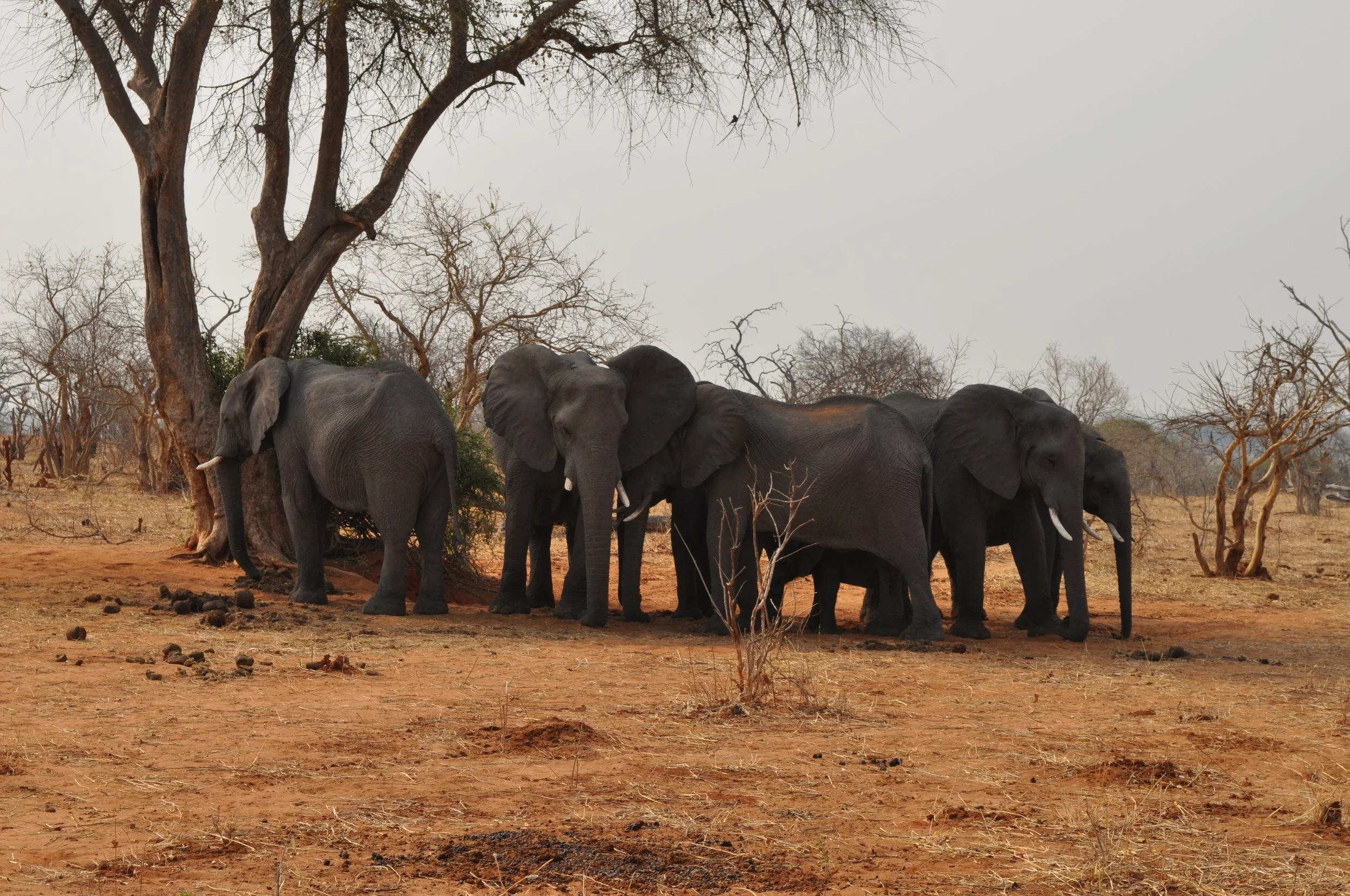
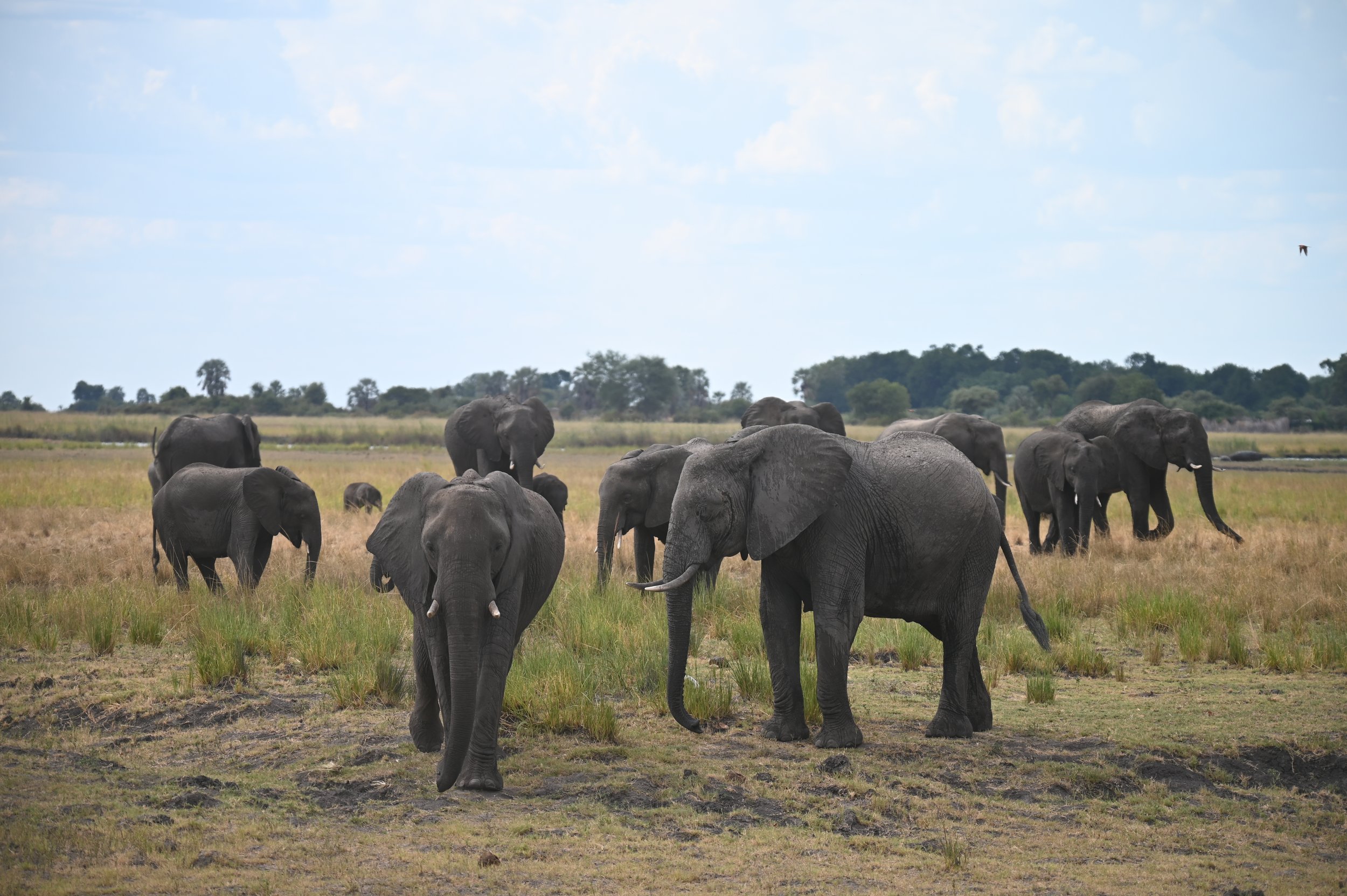
This study tested whether elephants in northern Botswana respond to the sound of disturbed bees. We played recordings of angry bees to resting elephant family groups, and compared their behaviour to when they played a neutral sound (white noise).
What the study found
• Elephants reacted more often to bee sounds (86%) than to the control (60%).
• More elephants also showed medium or strong reactions to bee sounds.
• However, the differences were not statistically significant at conventional levels.
• Some elephants showed aggressive displays in both treatments.
• A small number of herds moved away entirely during bee trials (4 groups vs 1 control).
In other words, Botswana’s elephants do react to bees, but not as strongly or predictably as elephants in places like Kenya.
This may be because Botswana has fewer active honeybee colonies, so many elephants may not have learned to associate bees with pain.
What this means
• Botswana elephants do show behavioural responses to bee sounds, but responses vary widely across families and individuals.
• Inconsistency may be due to:
o Low honeybee presence/activity in Botswana, meaning many elephants may not have learned to fear bees.
o Poorly developed local beekeeping and possible climate-related impacts on bee populations.
Implications for HEC mitigations
o A “one-size-fits-all” approach does not work in HEC management.
o Non-significant findings are still valuable—they prevent misdirected investments.
o Further trials needed to determine the health and state of Botswana Bee population.
o Understanding elephants’ past experience with bees is important—fear responses are likely learned.
Despite mixed results, this research is a valuable first step, showing that beehive-based deterrents might work in Botswana—but only with more testing and understanding of local conditions. We would like to thanks our collaborators and co-authors for their support and guidance, special thanks to University of New South Wales, Elephants Without Borders and Save the Elephants.
To download and read the article please see the Publication list.